Published October 9, 2026
Before buying a waterfront home

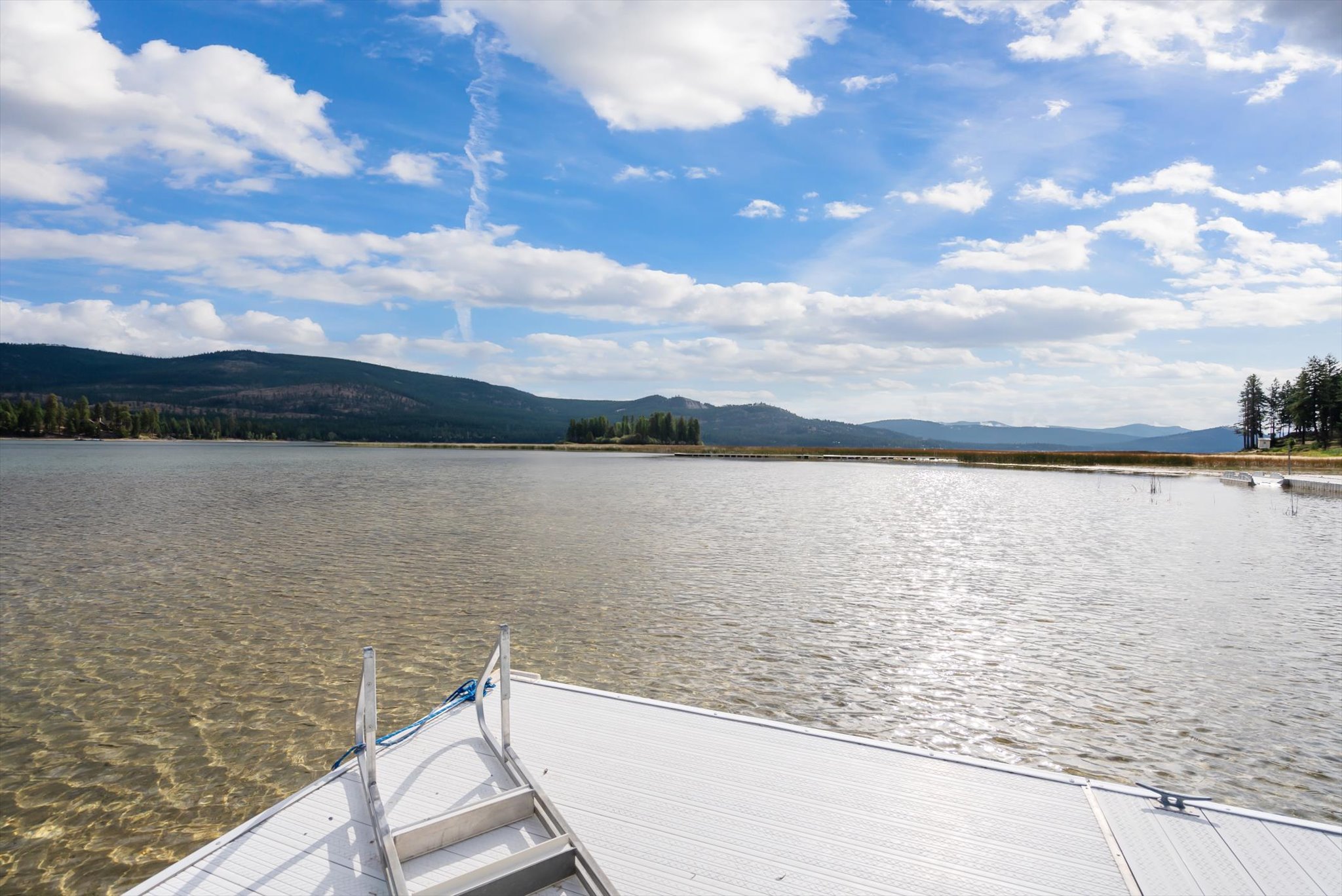
Start with the documents and the day-to-day realities, not just the view.
Little Bitterroot Lake. Original team listing photography; this guide is not a property inspection.
This educational article is not legal, engineering, lending or insurance advice. Requirements depend on the property and the jurisdiction.
1. Confirm exactly what you are buying
Ask your agent and title professional to review the survey, title documents, recorded easements and any shared-access agreements. What land is included? Is access to the water private, shared or nearby public access? What rights transfer with a dock or other shoreline improvement? Get answers in writing rather than assuming the listing photos settle them.
2. Check shoreline work and dock records
Request records for existing shoreline improvements and ask the local county or tribal office which approvals apply to the property. Do not assume you can add a dock, alter the bank or clear shoreline vegetation. Montana's permitting guidance lists several local, state and federal programs; the correct review depends on the location and proposed work.
Montana DNRC permitting guidance: https://dnrc.mt.gov/licenses-and-permits/stream-permitting/
3. Review flood risk and insurance early
Look up the property on FEMA's Flood Map Service Center and ask the local floodplain administrator about the mapped status. Then ask your lender and insurance agent which coverage is required, what is available and what it costs. Most homeowners insurance does not cover flood damage; flood insurance is a separate policy. Do not treat a listing's waterfront label as an insurance assessment.
FEMA Flood Map Service Center: https://msc.fema.gov/portal/search
FEMA flood insurance information: https://www.fema.gov/flood-insurance
4. Inspect the home and its systems
Use qualified inspectors to review the home's condition, drainage and moisture concerns, and ask for well and septic records when those systems are present. Clarify utilities, maintenance history and any known repairs. A lake view does not replace property due diligence.
5. Think through every season
How is the road maintained and plowed, and who pays for it?
What does water access look like as conditions change through the year?
Who maintains shared access, docks or shoreline improvements?
What are the practical costs of upkeep, utilities and insurance?
Do recorded restrictions or local rules affect the way you plan to use the home?
Bring your questions to the team
Beckman's Real Estate can help you identify the records and professionals to consult before deciding whether a waterfront property fits your plans.
Sources checked October 9, 2026.